Is Your Urinary System Incontinence Due To Genital Degeneration?: Alternative Ob Gyn & Midwifery: Accredited Registered Nurse Midwives
Menopause Incontinence Blog For Women 40+
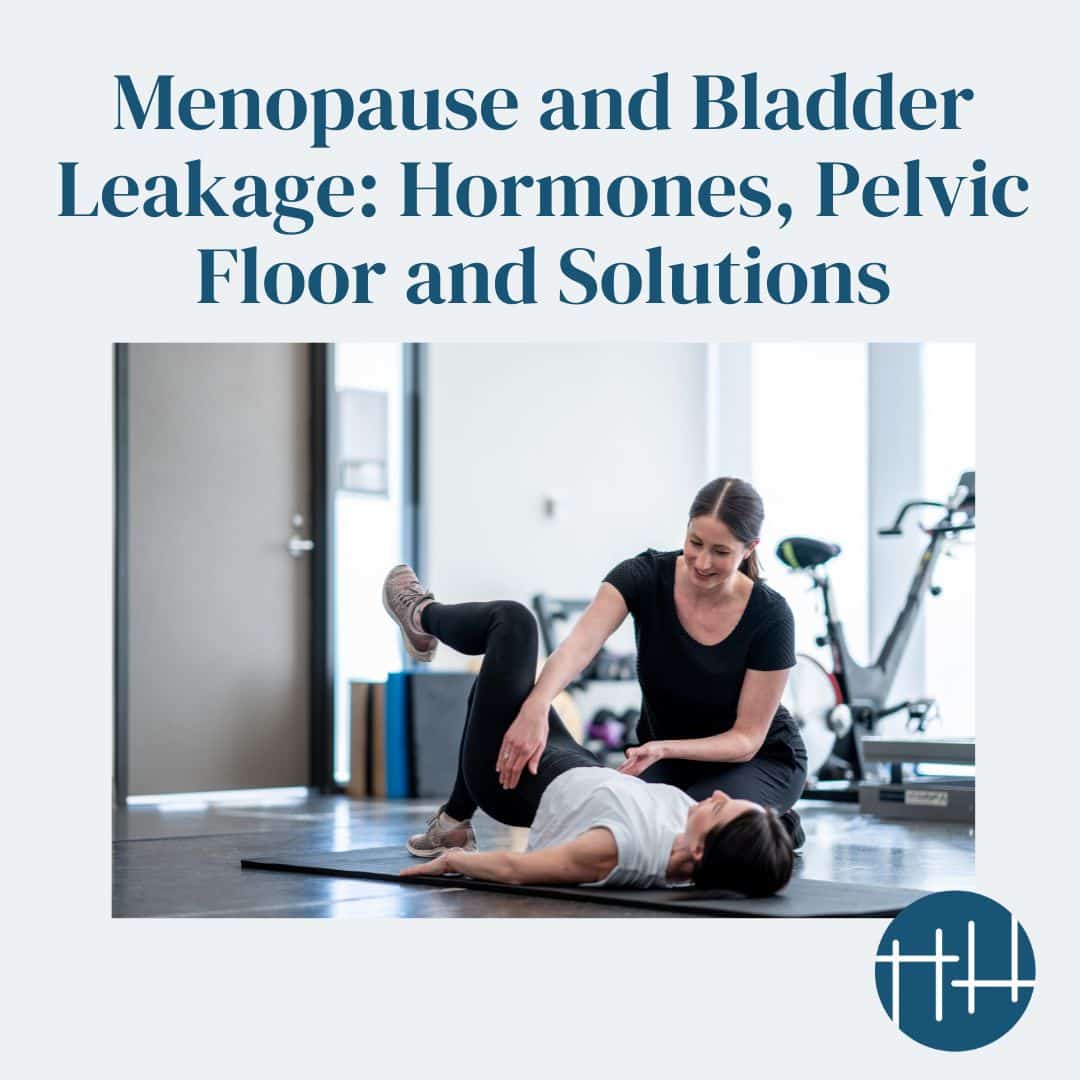
A Holistic Technique: Blending Hormonal Agent Therapy, Supplements, And Activity
A lady's urological wellness is deeply attached to her hormonal cycles, particularly while pregnant, perimenopause, and menopause. During pregnancy, increasing progesterone degrees create the pelvic tendons and muscular tissues to relax. When you integrate this relaxed pelvic floor with a growing infant resting on the urinary tract, this mix of moving hormones and bladder pressure substantially raises the frequency of leaks and urges.Treatments For Bladder Leakages Throughout Perimenopause

This is the hormonal agent that maintains your bladder and urethra healthy, and as a result, less estrogen creates pelvic flooring muscle mass to come to be weak. As estrogen degrees remain to drop throughout menopause, UI signs and symptoms can worsen. Routine pelvic flooring exercises enhance the muscular tissues supporting the bladder. Keeping a healthy weight reduces stress on the bladder, improving control.
- Issues during labor and childbirth, particularly vaginal birth, can weaken pelvic flooring muscle mass and harm the nerves that manage the bladder.
- Speak with your doctor to get more information concerning your condition, treatment choices, and outlook.
- When estrogen levels drop throughout menopause, these cells can become thinner and weaker, making bladder control harder.
- These tests aid determine inequalities that might be triggering signs and symptoms such as frequent peeing or incontinence.
- Your medical professional or nurse might ask you to keep a journal for 2 to 3 days to track when you vacant your bladder or leakage pee.
- Your pelvic floor muscular tissues control when you void your bladder and hold your pelvic organs in place.
The searchings for of this systematic review highlight the complexity and irregularity of UI amongst postmenopausal ladies. The frequency of UI among post-menopausal females varied from 13.6% [11] to 84.4% [15], with a https://blogfreely.net/asculldspj/say-goodbye-to-urinary-leaks-and-begin-chuckling-once-more complete frequency of 5394 (63.1%). Robinson and Cardozo reported that one of the most regular concern throughout menopause is UI, which impacts 50% of postmenopausal women [21] Stress urinary incontinence comprises the most prevalent kind of urinary system incontinence.
Specialists use guided workouts, breathing techniques, and pose training to assist improve strength, control, and relaxation. It can aid with much better bladder control, decreased pelvic discomfort, and boosted confidence and lifestyle. Amongst postmenopausal women, UI is still a typical and intricate issue that has a significant negative influence on health and quality of life. An extensive strategy to this problem will certainly decrease UI's negative results on society overall while all at once enhancing specific wellness outcomes. Thankfully, various administration methods and therapies are readily available for UI, and ladies experiencing this problem should not wait to look for help. Way of life alterations, such as weight management, pelvic flooring workouts (like Kegel exercises), and bladder training can be beneficial.